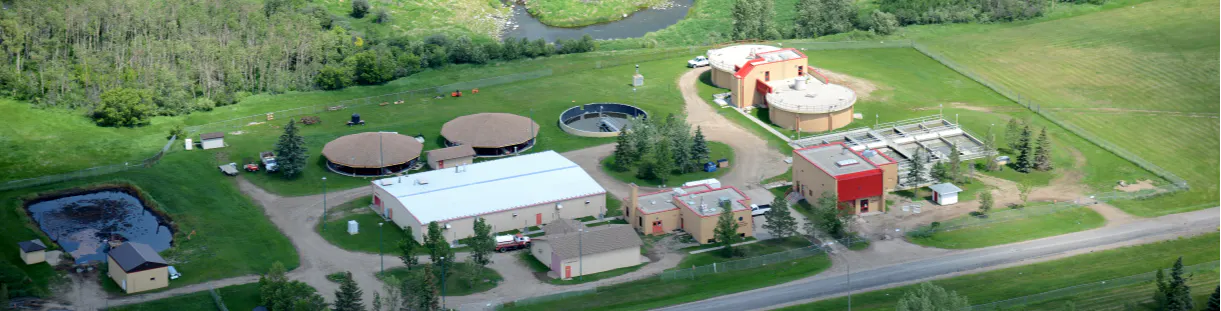
Water Pollution Control Plant Renewal Project
Planning for Yorkton’s future wastewater needs
The City of Yorkton is planning a major renewal of the H.M. Bailey Water Pollution Control Plant (WPCP).
The existing plant was commissioned in 1991 and has served Yorkton for more than 35 years. Since then, the community, local economy and environmental requirements for wastewater treatment have changed significantly.
Today, the plant treats wastewater from approximately 18,000 residents as well as major commercial and industrial users. In 2025, the total wastewater load entering the facility was equivalent to that generated by a population of approximately 38,449 people.
Renewing the plant will help Yorkton:
- meet current and future wastewater treatment requirements;
- replace aging infrastructure and equipment;
- improve the reliability and resilience of the wastewater system;
- provide capacity for future residential, commercial, institutional and industrial development; and
- support Yorkton’s long-term growth.
Project at a glance
Existing plant: Commissioned in 1991
Current age: Approximately 35 years
Wastewater load: Equivalent to approximately 38,449 people in 2025
Current design stage: Approximately 60%
Current Class 3 estimate: Approximately $211 million to $343 million
Next milestone: Advance engineering toward approximately 90% design
Construction: Subject to funding and future Council decisions
Project information, timelines and cost estimates will continue to change as engineering progresses. This page will be updated as new information becomes available.
Why does the Water Pollution Control Plant need to be renewed?
The H.M. Bailey Water Pollution Control Plant has served the community since 1991. Many components are now reaching or exceeding their expected service life, and replacement parts for some original equipment are increasingly difficult to obtain.
Yorkton’s wastewater needs have also changed significantly since the facility was built.
The growth of Yorkton’s agri-processing sector has increased both the volume and strength of wastewater entering the municipal system. The plant now treats a wastewater load substantially greater than Yorkton’s residential population alone would generate.
Environmental standards have also evolved. The City’s current Permit to Operate includes an E. coli disinfection requirement. The existing plant was constructed without a dedicated disinfection process, meaning new treatment infrastructure is required to meet that standard.
Renewal is needed to provide the treatment capacity and technology Yorkton requires today and into the future.
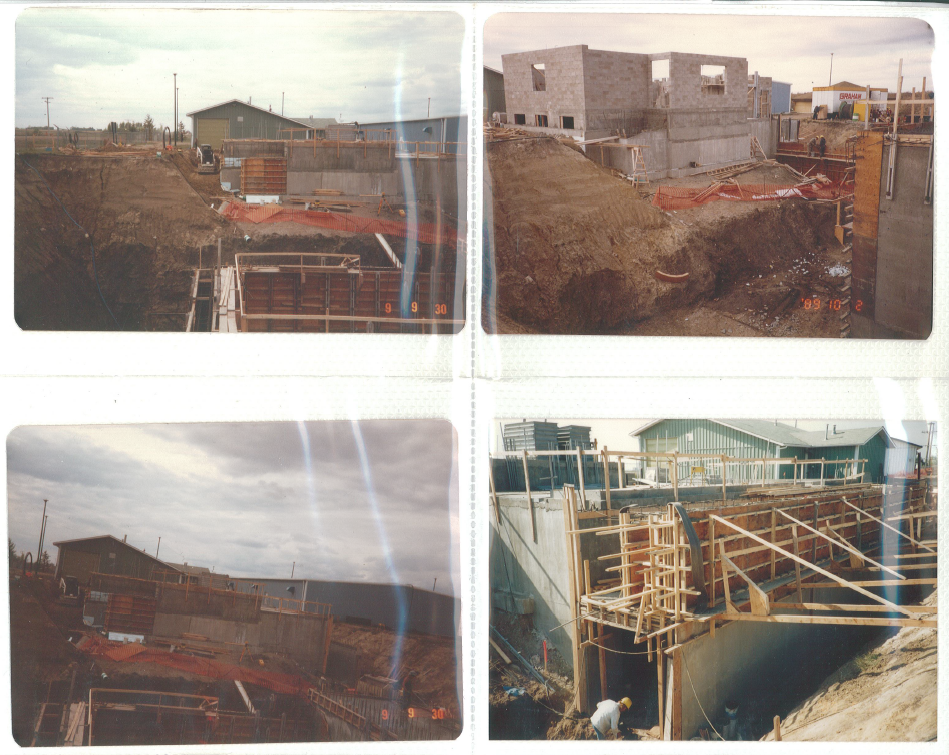
Construction of the H.M. Bailey Water Pollution Control Plant.
Yorkton’s wastewater needs have grown
Major agri-processing investment has played an important role in Yorkton’s economic growth.
Louis Dreyfus Company commissioned its Yorkton canola crushing facility in 2009, followed by Richardson Oilseed in 2010. Both facilities have since grown significantly. Richardson’s expanded facility has a canola crushing capacity of approximately 2.5 million tonnes per year, while Louis Dreyfus Company is expanding its facility to approximately 2.4 million tonnes per year.
This industrial activity creates wastewater demands well beyond what would normally be expected in a community of Yorkton’s population.
In 2025, the H.M. Bailey WPCP treated a wastewater load equivalent to approximately 38,449 people, compared with Yorkton’s residential population of approximately 18,000.
The renewed facility is being planned around what Yorkton’s wastewater system serves today, as well as the capacity the community will need in the future.
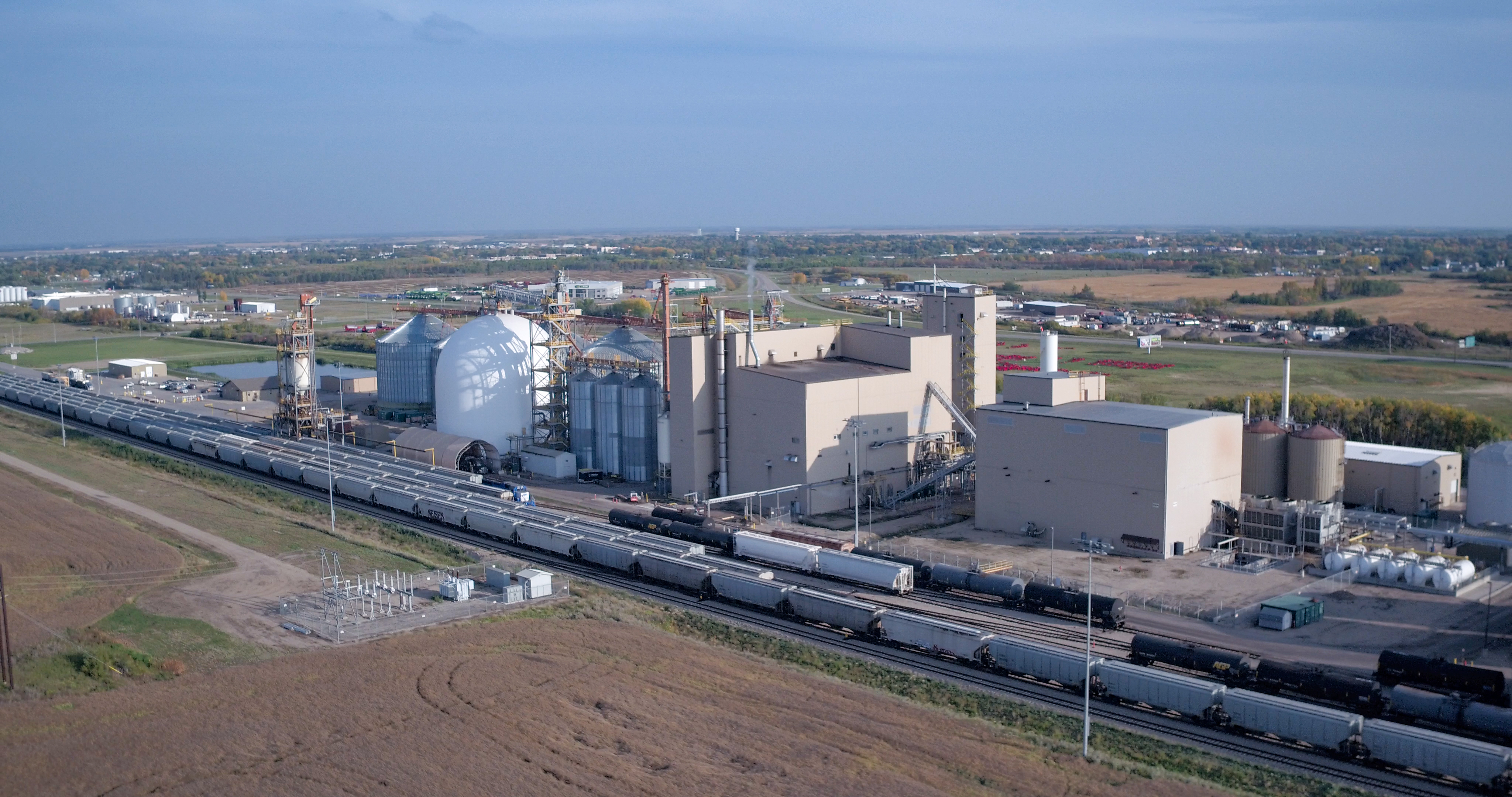
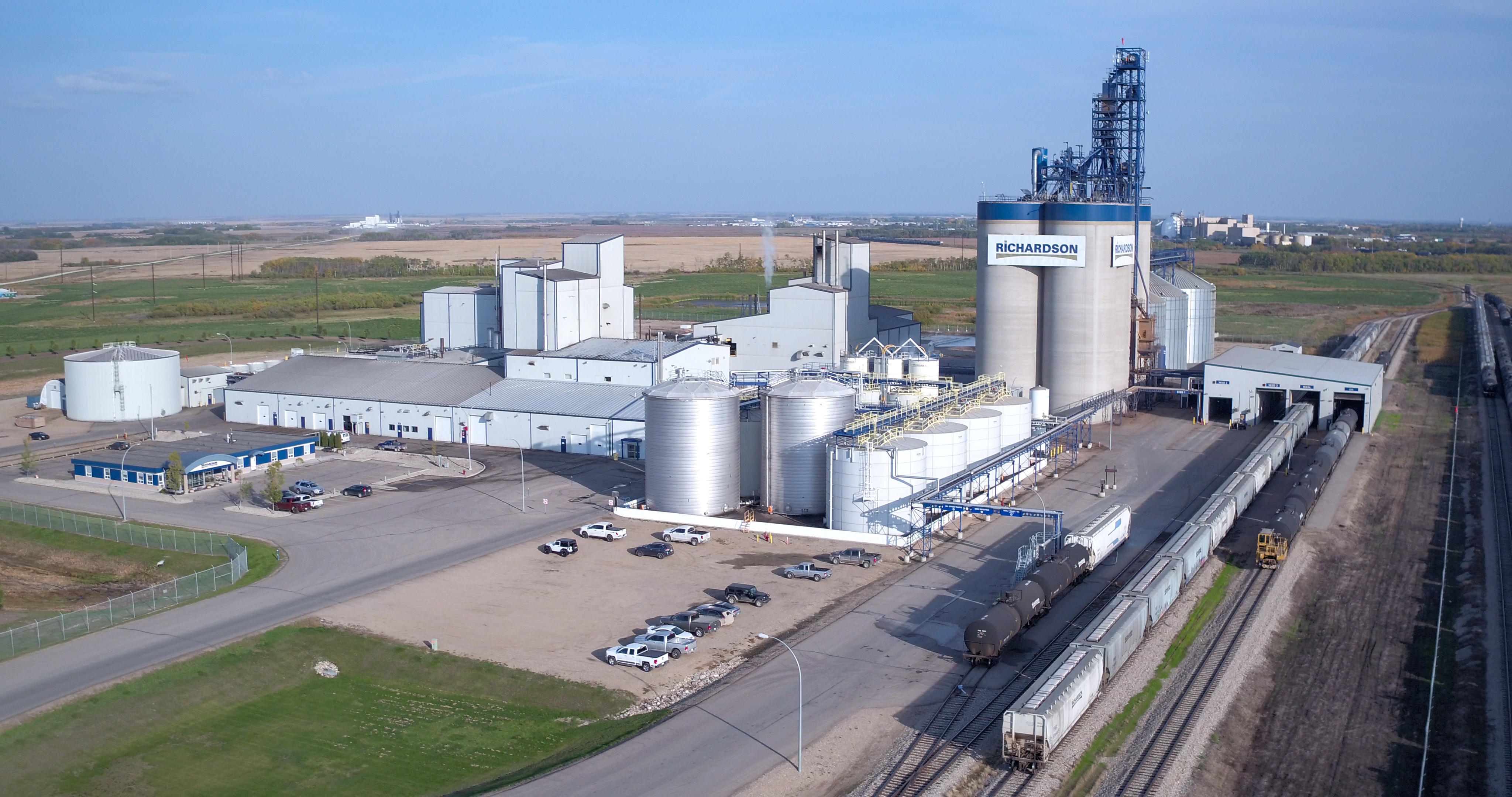
Left, the Louis Dreyfus Company canola crushing facility serviced by Yorkton. Right, the Richardson canola crushing facility serviced by Yorkton.
What has the City done so far?
Planning for renewal of the Water Pollution Control Plant has been underway for several years.
Work completed or underway includes:
- a Downstream Use and Impact Study;
- an FCM-supported business case and preliminary design;
- environmental assessments;
- geotechnical and hydrogeological assessments;
- aquifer storage and recovery modelling;
- evaluation of potential construction phases;
- value engineering to identify opportunities to reduce project costs;
- ongoing detailed engineering design; and
- engagement with regulators, industry, residents and other levels of government.
The City has invested more than $4.375 million in studies, assessments and design work to date and has committed additional funding to advance the project toward approximately 90% design.
As of 2026, the project has advanced to approximately 60% design.
Working with local industry
Renewing the municipal plant is only one part of managing Yorkton’s wastewater system.
In 2017, the City launched a Pollution Prevention Program to work with major industrial wastewater customers to reduce the strength of wastewater before it enters the City’s treatment system.
Since that time, the program has resulted in more than $130 million in private-sector wastewater pre-treatment investment.
These improvements have helped improve the quality of wastewater entering the municipal plant and extended the useful operating life of the existing facility while the City plans its long-term renewal.
What is being planned?
The WPCP renewal project is being designed as a comprehensive upgrade to Yorkton’s wastewater treatment system.
Planning to date has considered improvements including:
- new screening, grit removal and incoming-flow management;
- modern secondary wastewater treatment;
- E. coli disinfection;
- nutrient removal;
- improved management of high wastewater flows;
- upgraded biosolids processing and dewatering;
- new operational facilities; and
- infrastructure that could support future reuse of treated wastewater.
The objective is to create a facility capable of meeting regulatory requirements while providing reliable wastewater treatment capacity for Yorkton’s long-term residential, commercial, institutional and industrial needs.
How much will the project cost?
Project cost estimates become more detailed as engineering progresses and quantities, construction requirements and project risks become better understood.
At the 30% design stage, value engineering reduced the project’s median estimate from approximately $234 million to $204 million.
The project has since advanced to approximately 60% design. At this stage, the Class 3 estimate ranges from approximately:
$211 million to $343 million
The $343-million figure represents the high end of the estimating range used at this stage of design. It should not be interpreted as a direct increase from the earlier $204-million median estimate, as the figures represent different stages of design and different points within their respective estimating ranges.
Further value engineering and cost refinement will continue as design advances.
Why is there such a large range?
Early and intermediate engineering estimates include allowances for uncertainty.
As the design becomes more complete, engineers have more detailed information about:
- construction quantities;
- equipment requirements;
- site conditions;
- construction methods;
- project risks; and
- market conditions.
This allows the estimate to become progressively more precise.
The figures on this page are planning estimates, not a final project price.
How will the project be funded?
A project of this scale represents a significant financial requirement for a municipality of approximately 18,000 residents.
The City is pursuing funding partnerships with the provincial and federal governments while continuing to advance engineering work.
Yorkton’s situation is unusual because the wastewater infrastructure required to support the community is influenced not only by residential population, but also by significant industrial wastewater demand.
The City continues to advocate for funding that recognizes both Yorkton’s population and the broader regional and economic role served by its wastewater infrastructure.
No final construction funding arrangement has been confirmed. The project cannot proceed to construction until funding, project scope and the required approvals are in place.
Why does wastewater capacity matter for Yorkton’s growth?
Water and wastewater capacity are essential when planning new development.
New residential subdivisions, businesses, industries and major institutional facilities all require sufficient municipal servicing before development can proceed.
The WPCP renewal is therefore an important part of Yorkton’s long-term planning for:
- new housing;
- commercial development;
- industrial investment;
- community and institutional facilities; and
- future population growth.
Renewing the facility will provide greater certainty that Yorkton has the wastewater infrastructure required to accommodate future development responsibly.
How is this connected to a future regional hospital?
The Water Pollution Control Plant renewal and a future regional hospital are separate projects, but they are connected through municipal infrastructure.
A new hospital, or a significant expansion of the existing Yorkton Regional Health Centre, would create additional demand on Yorkton’s water and wastewater systems. Adequate servicing capacity will be required before a major new health-care facility can be connected.
The Province has begun planning work for a future regional hospital, including funding for business case and pre-design work. The City welcomes that progress and continues to support development of a new regional hospital for the region.
Renewing Yorkton’s wastewater infrastructure helps ensure the City is prepared to support major community projects such as a future hospital, along with housing and economic growth.
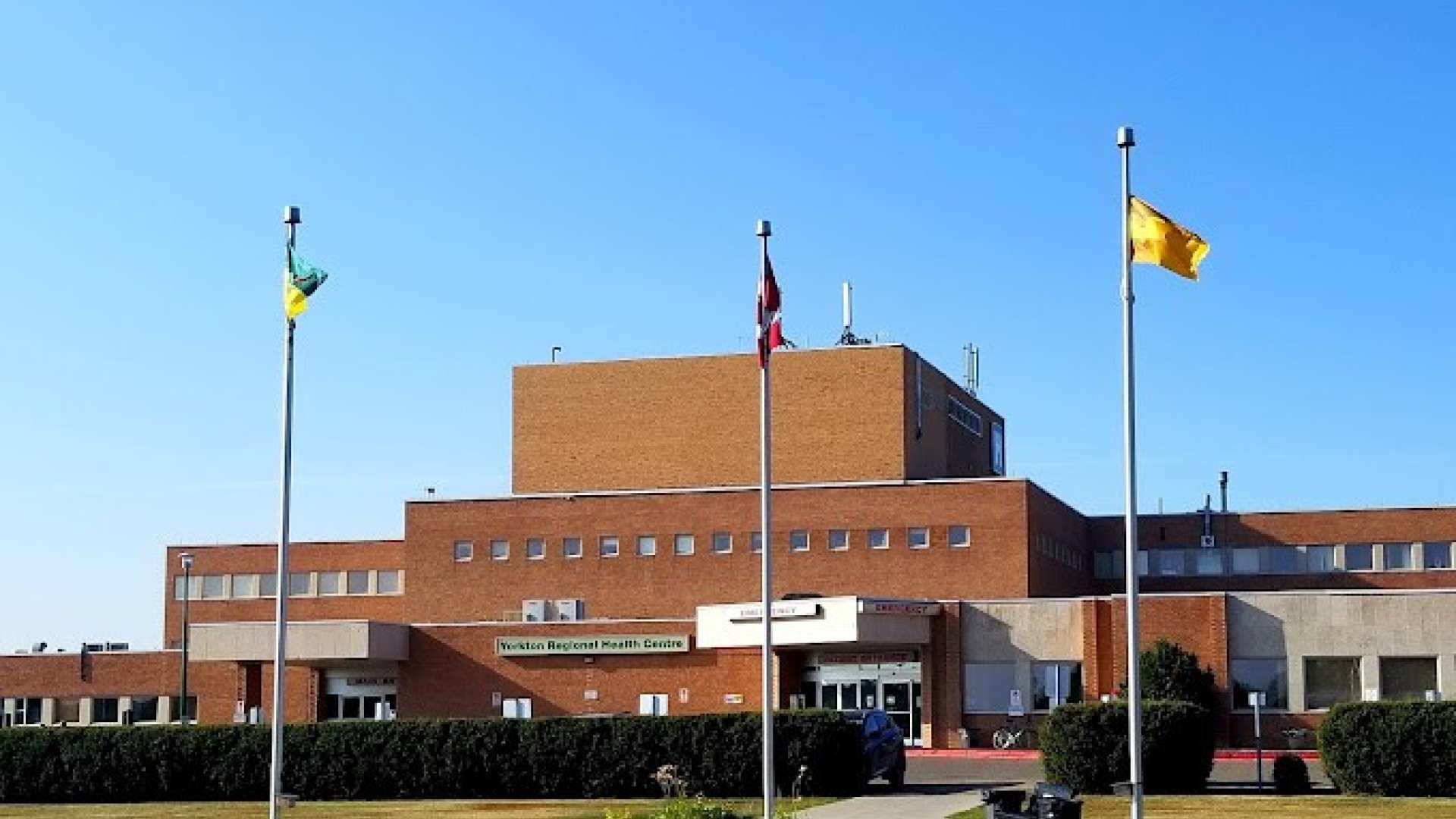
Yorkton Regional Health Centre as it is today.
Public and stakeholder engagement
The City has engaged residents, industry, regulators and other governments throughout planning for the project.
Engagement to date has included:
- public open houses in January and September 2025;
- engagement with the Water Security Agency and provincial ministries;
- engagement with local First Nations;
- discussions with local industry;
- facility tours and meetings with provincial and federal representatives;
- meetings with the Yorkton Chamber of Commerce; and
- advocacy with provincial and federal governments regarding infrastructure funding.
The City has also applied for infrastructure funding through previous provincial and federal programs.
Information and opportunities for public engagement will continue to be shared as the project progresses.
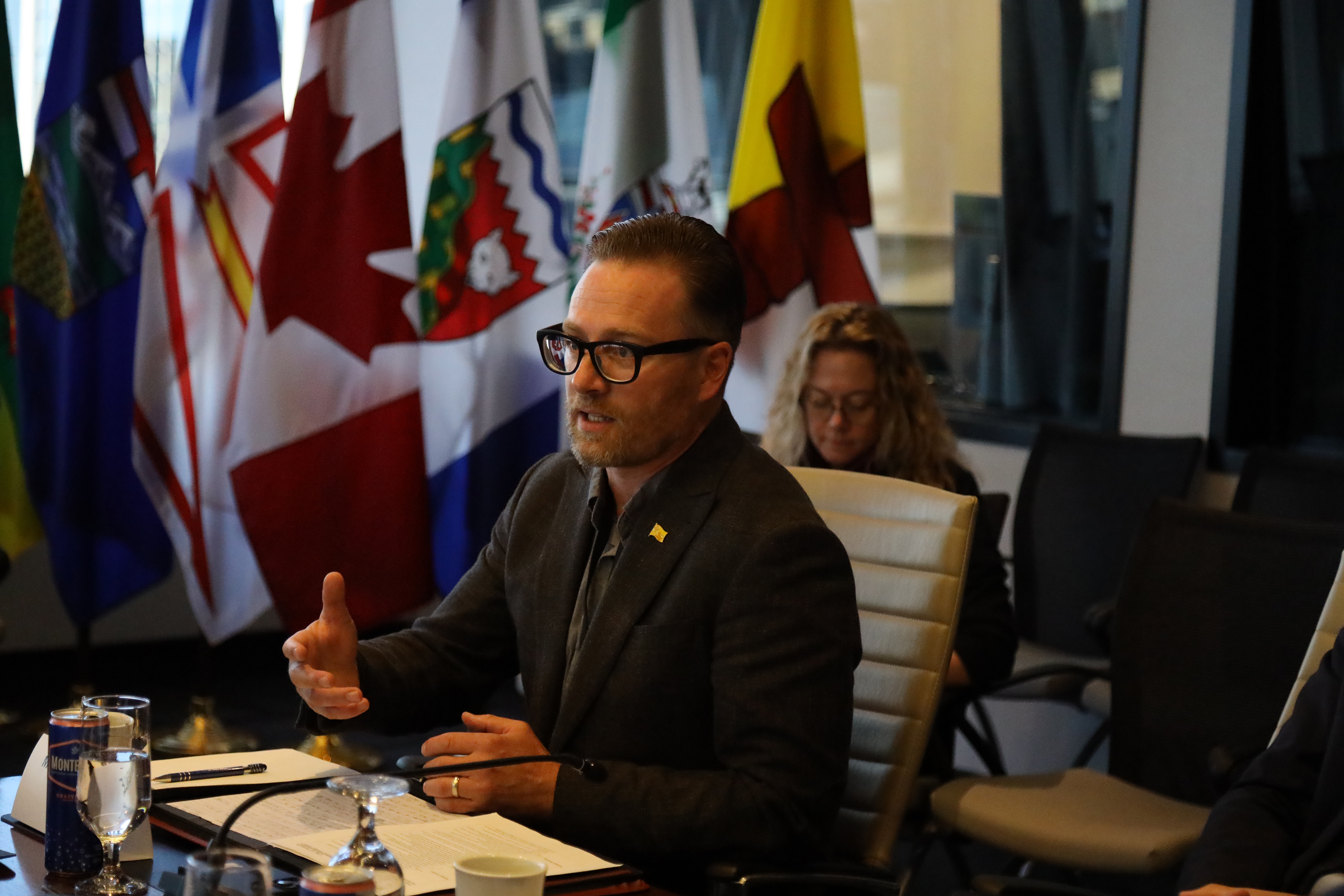
Mayor Aaron Kienle at the delegation to Ottawa in October, 2025.
Project timeline
2017
The City launches its Pollution Prevention Program and begins the WPCP Renewal Project.
2021
The Downstream Use and Impact Study is completed and the FCM business case is approved.
2024–2025
Additional technical studies, modelling and project planning continue.
2025
Public open houses are held as part of project planning and engagement.
2026
The project reaches 30% design. Value engineering identifies approximately $30 million in savings from the median project estimate at that stage.
2026
Design advances to approximately 60%, providing additional detail about project quantities, requirements, risks and costs.
Late 2026 / early 2027
The City is working toward approximately 90% design.
Future
Procurement and construction will depend on project funding, completion of engineering and required approvals.
Frequently Asked Questions
Is the existing Water Pollution Control Plant still operating?
Yes. The H.M. Bailey Water Pollution Control Plant continues to operate while planning for its renewal progresses.
City operators continue to maintain treatment performance in an aging facility, including managing equipment that is reaching the end of its expected service life and, in some cases, has increasingly limited availability of original replacement parts.
Why can’t the City just repair the existing plant?
The City continues to repair and maintain the existing facility as required. However, maintenance alone cannot address all of the plant’s long-term needs.
The existing facility was designed more than 35 years ago. Yorkton now has substantially different wastewater demands, and current treatment requirements include processes that were not part of the original plant, including dedicated E. coli disinfection.
Renewal is required to address aging infrastructure, treatment requirements and future capacity together.
Why does Yorkton need a facility this large for a city of approximately 18,000 people?
Yorkton’s wastewater system serves more than its residential population.
The community is home to a significant agri-processing sector that contributes substantial wastewater flows and treatment demands. In 2025, the total wastewater load treated at the plant was equivalent to approximately 38,449 people.
Has industry contributed to addressing the issue?
Yes.
Through the City’s Pollution Prevention Program, major industrial wastewater customers have invested more than $130 million in private wastewater pre-treatment infrastructure.
These investments have reduced the strength of wastewater entering the municipal system and helped extend the operating life of the existing plant.
Has the City looked for ways to reduce the project cost?
Yes.
Value engineering undertaken at the 30% design stage reduced the median project estimate by approximately $30 million, from $234 million to $204 million.
Cost reviews and value engineering will continue as the design advances.
Does the $343-million estimate mean the project cost has increased from $204 million to $343 million?
Not exactly.
The $204-million figure was a median estimate at the 30% design stage following value engineering.
The project has since advanced to approximately 60% design. The current Class 3 estimate has a range of approximately $211 million to $343 million, with $343 million representing the high end of that range.
Because the figures come from different stages of design and represent different points within their respective estimate ranges, they are not directly comparable. The estimate will continue to be refined as engineering progresses.
Has a final project cost been approved?
No.
Engineering is still underway, and the project estimate will continue to change as the design becomes more detailed.
A final construction scope, cost and funding arrangement have not yet been confirmed.
When will construction begin?
A construction start date has not been determined.
The City is working toward approximately 90% design. Moving into procurement and construction will depend on completion of the required engineering, securing provincial and federal funding, and future approvals.
How can I stay informed?
This page will be updated as the Water Pollution Control Plant Renewal Project progresses, including new information about design, costs, funding, timelines and opportunities for public engagement.
Last updated: September 2026
Project details, cost estimates and timelines are preliminary and subject to change as engineering and funding discussions continue.